TAVI Surgery in Mumbai
Advanced Minimally Invasive Treatment for Aortic Valve Disease
Transcatheter Aortic Valve Implantation (TAVI) is a minimally invasive procedure used to treat certain patients with severe aortic valve stenosis. Unlike conventional open-heart valve replacement, TAVI allows a new valve to be implanted through a catheter, usually without requiring open surgery.
Dr. Gulshan Rohra, an experienced Heart Valve Surgeon in Mumbai, provides specialised evaluation and treatment planning for patients with complex heart valve conditions. With over decades of experience in cardiothoracic surgery and specialised training in Minimally Invasive Cardiac Surgery and Complex Cardiac Care at James Cook University Hospital, Middlesbrough, UK, Dr. Rohra brings advanced knowledge to contemporary cardiac care.
What Is a TAVI
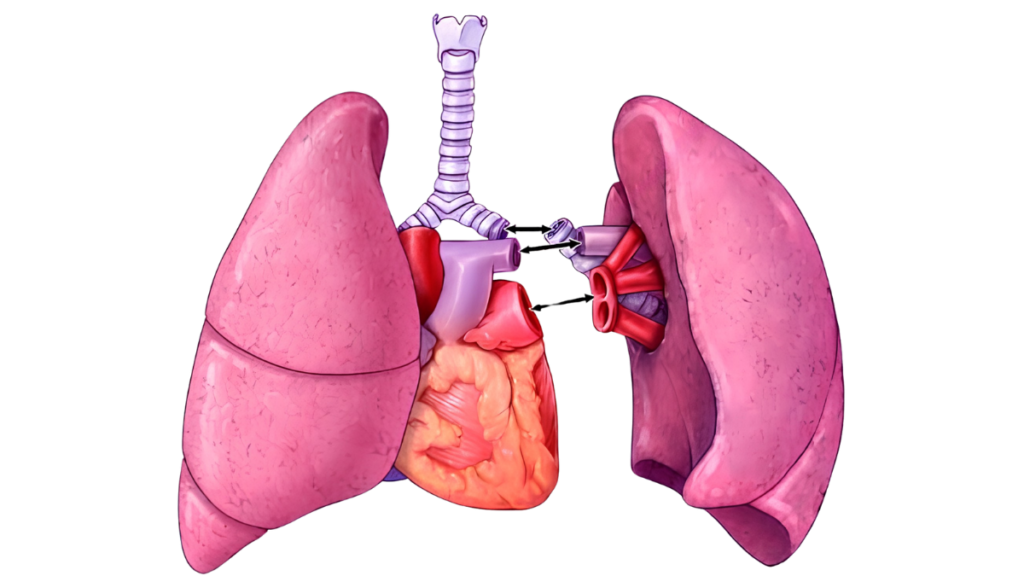
TAVI, also known as Transcatheter Aortic Valve Replacement (TAVR), is a catheter-based procedure used to replace a diseased aortic valve.
The aortic valve controls blood flow from the heart’s left ventricle into the aorta. When the valve becomes severely narrowed, a condition known as aortic stenosis, the heart has to work harder to pump blood throughout the body.
During TAVI, a replacement valve mounted on a specialised catheter is guided to the heart and positioned inside the diseased aortic valve. Once deployed, the new valve begins functioning and helps improve blood flow.
Who May Need a TAVI
TAVI may be considered for selected patients with severe symptomatic aortic stenosis, particularly when conventional surgical valve replacement may carry increased risks.
A heart valve specialist may consider factors including:
- Severity of aortic valve disease
- Symptoms and impact on daily activities
- Age and overall health
- Heart function
- Other medical conditions
- Previous heart procedures
- Anatomy of the heart and blood vessels
- Surgical risk
TAVI is not appropriate for every patient. A detailed evaluation by a specialised heart team is necessary before deciding on the most suitable treatment.
Symptoms of Severe Aortic Stenosis
Aortic valve disease can develop gradually, and symptoms may sometimes be mistaken for normal ageing.
Common symptoms can include:
- Breathlessness, especially during activity
- Chest discomfort or pain
- Fatigue
- Dizziness
- Fainting or near-fainting
- Reduced ability to perform physical activities
- Swelling in the legs in some patients
If you experience these symptoms, particularly if they are worsening, a cardiac evaluation is recommended.
Benefits of TAVI
For appropriately selected patients, TAVI may offer several potential benefits compared with conventional surgical valve replacement, including:
- Minimally invasive approach
- No conventional open-heart incision
- Smaller access site
- Potentially shorter hospital stay
- Earlier mobilisation in suitable patients
- Faster initial recovery in many patients
However, TAVI has its own risks and limitations. The most appropriate treatment should be decided after a comprehensive assessment by a qualified heart team.
Benefits of TAVI
For appropriately selected patients, TAVI may offer several potential benefits compared with conventional surgical valve replacement, including:
- Minimally invasive approach
- No conventional open-heart incision
- Smaller access site
- Potentially shorter hospital stay
- Earlier mobilisation in suitable patients
- Faster initial recovery in many patients
However, TAVI has its own risks and limitations. The most appropriate treatment should be decided after a comprehensive assessment by a qualified heart team.
TAVI vs Surgical Aortic Valve Replacement
Both TAVI and surgical aortic valve replacement (SAVR) are established treatments for severe aortic valve disease.
The choice depends on several factors, including:
| TAVI | Surgical Valve Replacement |
|---|---|
|
Catheter-based procedure |
Conventional surgical procedure |
|
Usually performed through a blood vessel |
Requires surgical access to the heart |
|
May be suitable for selected patients |
May be preferred for certain patients and valve conditions |
|
Recovery may be quicker in suitable patients |
Recovery generally takes longer |
There is no single treatment that is best for everyone. A detailed assessment is required to determine the appropriate approach.
Expert TAVI Evaluation in Mumbai
If you or a loved one has been diagnosed with severe aortic stenosis, timely evaluation by a heart valve specialist can help you understand your treatment options.
Dr. Gulshan Rohra, an experienced Heart Valve Surgeon in Mumbai, provides specialised evaluation and cardiac surgical care for patients with complex valve conditions.