
Heart Valve Repair & Replacement in Mumbai
Advanced Minimally Invasive Treatment for Aortic Valve Disease
Heart valves play a vital role in maintaining the proper direction of blood flow through the heart. When a valve becomes narrowed, damaged, or fails to close properly, it can affect the heart’s ability to pump blood efficiently. Depending on the type and severity of valve disease, treatment may involve regular monitoring, medicines, catheter-based procedures, heart valve repair, or heart valve replacement.
Dr. Gulshan Rohra is a cardiothoracic surgeon in Mumbai with expertise in heart valve repair and replacement surgeries, minimally invasive cardiac surgery, and complex cardiac procedures. His official profile lists valvular repair and replacement and minimally invasive valve surgery among his areas of expertise.
If you have been diagnosed with heart valve disease or have been advised to consider valve surgery, a detailed evaluation by an experienced Heart Valve Surgeon in Mumbai can help determine the most appropriate treatment for your condition.
What Is a Heart Valve Disease?
The heart has four valves:
- Aortic valve
- Mitral valve
- Tricuspid valve
- Pulmonary valve
These valves open and close with every heartbeat to ensure blood flows through the heart in the correct direction.
Heart valve disease occurs when one or more valves become damaged or do not function normally.
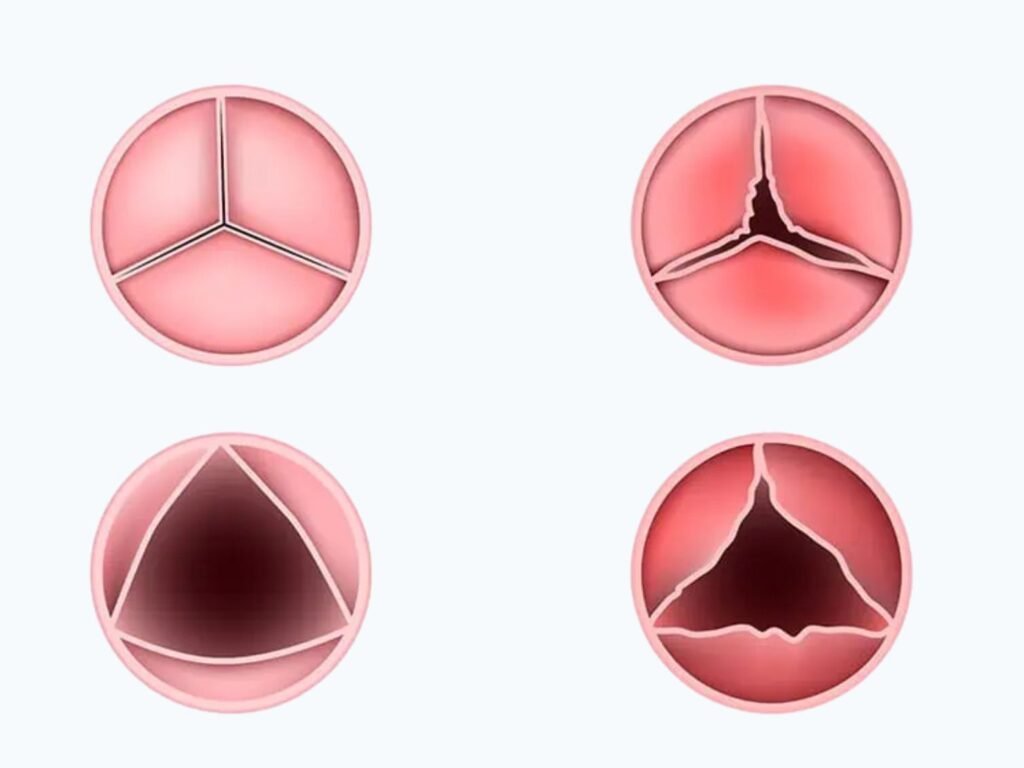
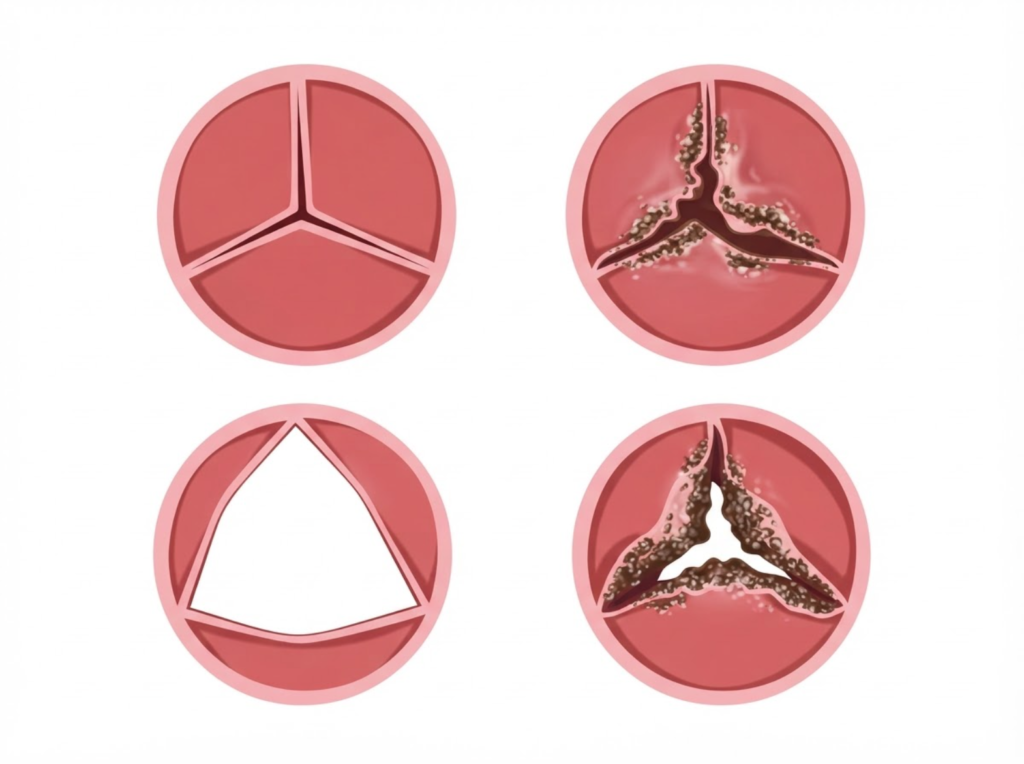
Valve Stenosis
The valve becomes narrowed and does not open fully. This makes it harder for the heart to pump blood through the valve.
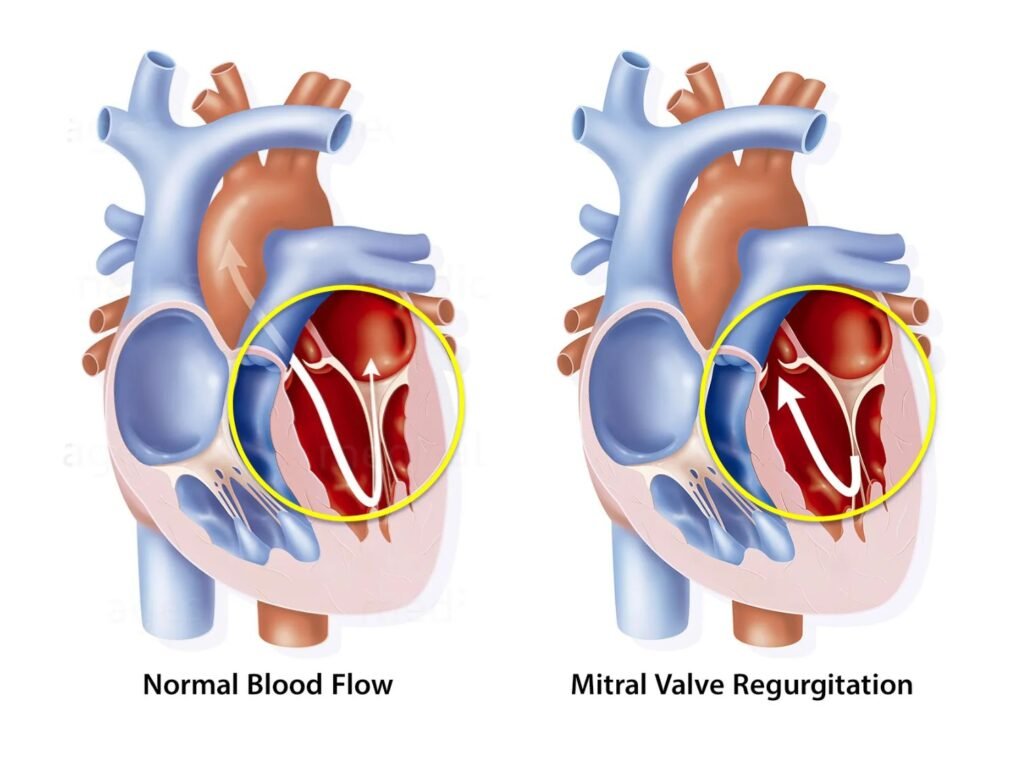
Valve Regurgitation
The valve does not close properly, allowing blood to leak backward.
Depending on the severity, valve disease can cause symptoms and may eventually place additional strain on the heart.
When Is Heart Valve Surgery Needed?
Not every patient with valve disease requires surgery.
Treatment depends on several factors, including:
Type of valve disease
- Severity of valve dysfunction
- Symptoms
- Heart function
- Valve anatomy
- Enlargement of heart chambers
- Presence of other heart conditions
- Previous cardiac procedures
- Overall health and surgical risk
A heart valve surgeon evaluates these factors along with investigations such as echocardiography and other cardiac imaging before recommending treatment.
In some patients, repairing the existing valve may be possible and preferable. In others, replacement may provide a better long-term solution.
Heart Valve Repair
Heart valve repair aims to restore the function of the patient’s existing valve rather than replacing it.
Depending on the affected valve and its anatomy, repair may involve techniques designed to:
- Restore proper valve movement
- Correct abnormal valve structure
- Improve valve closure
- Reduce leakage
- Improve blood flow through the valve
- Preserve the patient’s own valve tissue
Valve repair can be considered for selected patients, particularly when the valve anatomy is suitable for a durable repair.
The decision between repair and replacement is individualized after detailed assessment.
Heart Valve Replacement
When a valve is severely damaged or cannot be repaired effectively, heart valve replacement may be recommended.
During valve replacement surgery, the diseased valve is replaced with a prosthetic valve.
Valve replacement may be considered for conditions affecting the:
Aortic Valve
Aortic valve disease can involve narrowing or leakage of the valve and may require aortic valve replacement when severe.
Mitral Valve
Severe mitral stenosis or regurgitation may require repair or replacement depending on the condition of the valve.
Other Heart Valves
Selected patients with significant tricuspid or multiple-valve disease may also require surgical treatment.
Types of Heart Valve Replacement
Valve replacement generally involves either a mechanical valve or a biological/tissue valve.
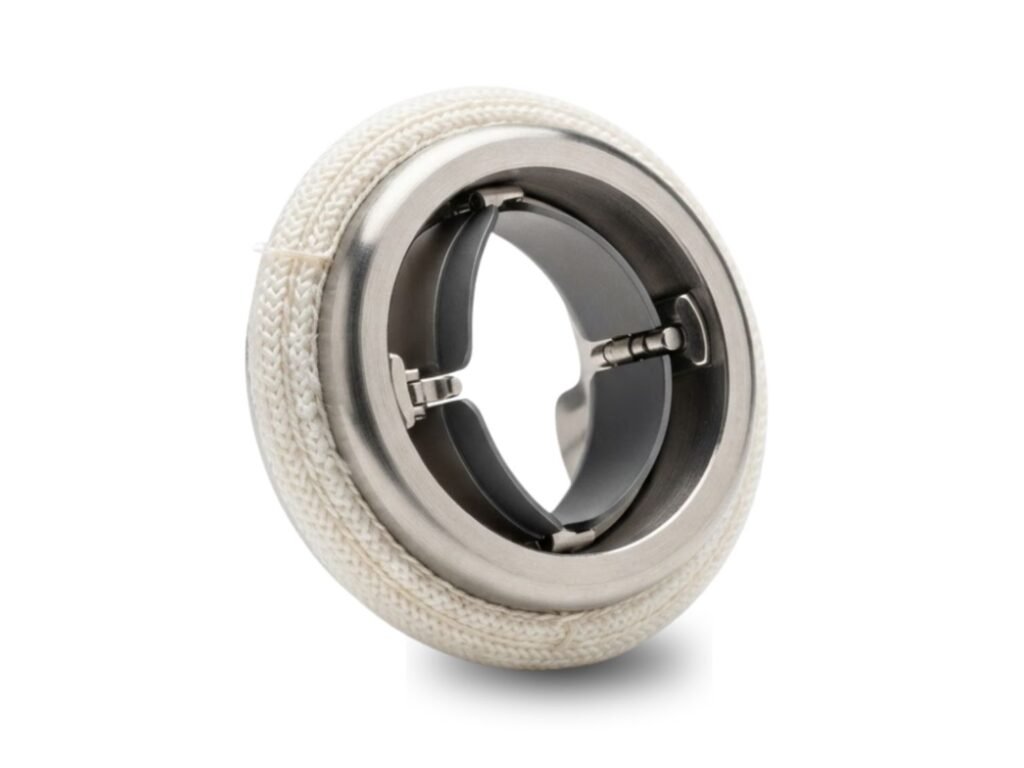
Mechanical Heart Valve
Mechanical valves are made from durable artificial materials and are designed for long-term use. Patients with mechanical valves generally require lifelong anticoagulation, as advised by their treating medical team.
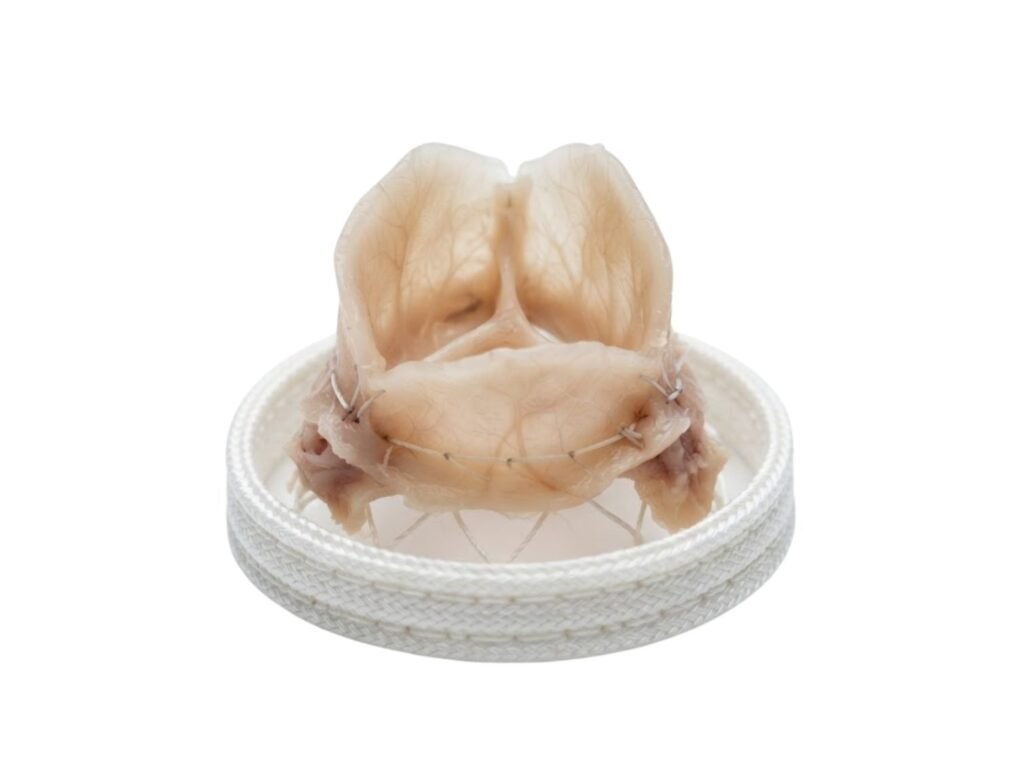
Tissue or Biological Valve
Biological valves are made from animal tissue and may have different long-term considerations compared with mechanical valves.
Symptoms That May Indicate Heart Valve Problems
eart valve disease can sometimes progress gradually. Symptoms may include:
- Breathlessness, particularly during activity
- Fatigue or reduced stamina
- Chest discomfort
- Palpitations
- Dizziness
- Fainting
- Swelling in the legs or ankles
- Difficulty exercising
- Shortness of breath while lying down
Some people may have significant valve disease without obvious symptoms. Regular cardiac evaluation can therefore be important when valve disease is suspected or already diagnosed.
Get Expert Evaluation for Heart Valve Disease in Mumbai
Heart valve disease requires an individualized approach. Early evaluation can help determine whether continued monitoring, medication, a catheter-based treatment, valve repair or valve replacement is appropriate.
If you have been advised to undergo valve surgery or are looking for a Heart Valve Surgeon in Mumbai, consult Dr. Gulshan Rohra for a detailed evaluation and discussion of your treatment options.